


 by Tom Gurney
Tom Gurney BSc (Hons) is an art history expert with over 20 years experience
Published on June 19, 2020 / Updated on December 5, 2025
Email: tomgurney1@gmail.com / Phone: +44 7429 011000
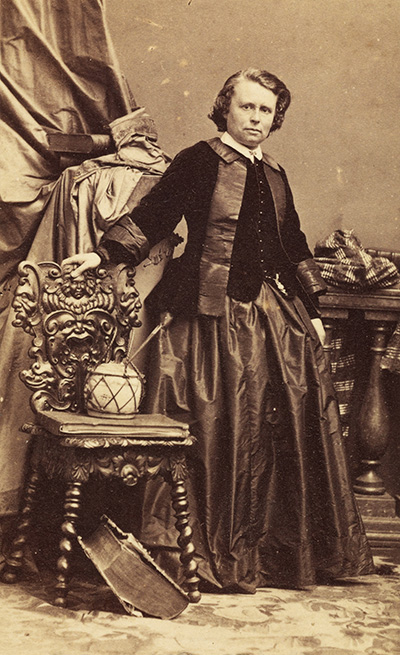
Rosa Bonheur was a French Realism artist from the 19th century who remains most famous for her depictions of animals.
She continues to be one of the most highly regarded female painters in history.
Her paintings combined close observation, relentless practice and a genuine love for many of the subjects in her work. Nothing was rushed, quality and precision was chosen over commercial exploitation.
As a Realism painter, Bonheur wanted to capture the precise movement and role of animals within rural life, and also to examine how they worked alongside local farmers in these traditional methods. As her repertoire expanded, we would find all manner of different animals appear within her work, including horses, cattle, sheep and wildlife.
This page introduces highlights of Bonheur's career, her major paintings and also discussion of her working practices and meticulous studies. Select from the options below to find out more.
Explore Rosa Bonheur's Art
Paintings
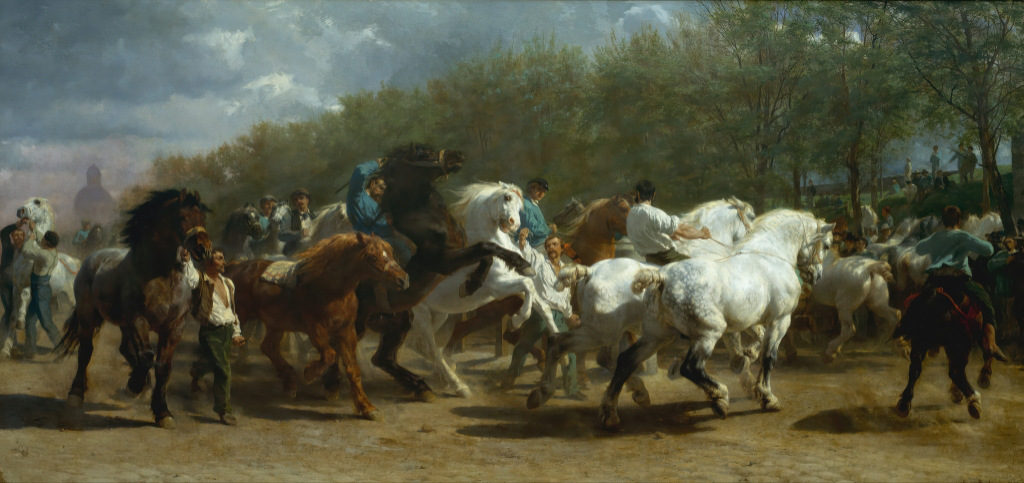
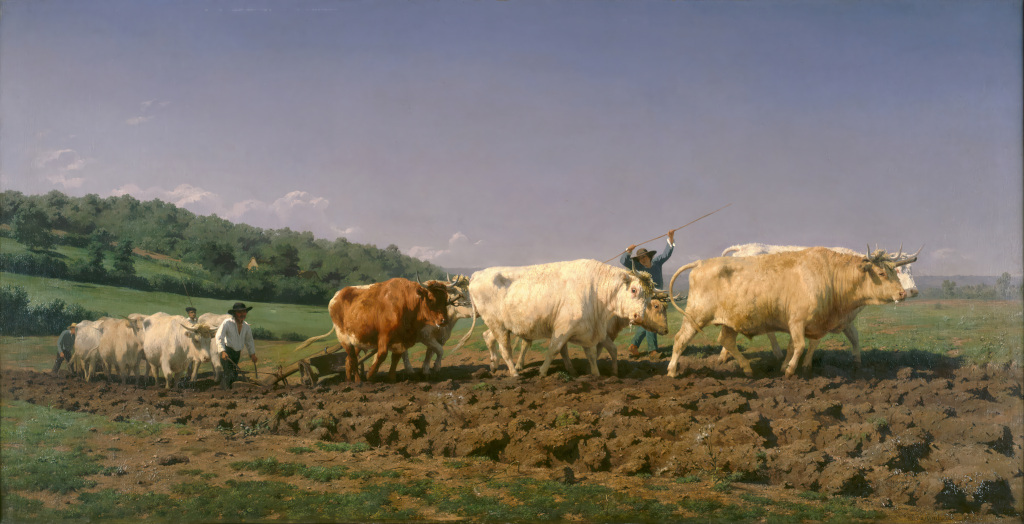
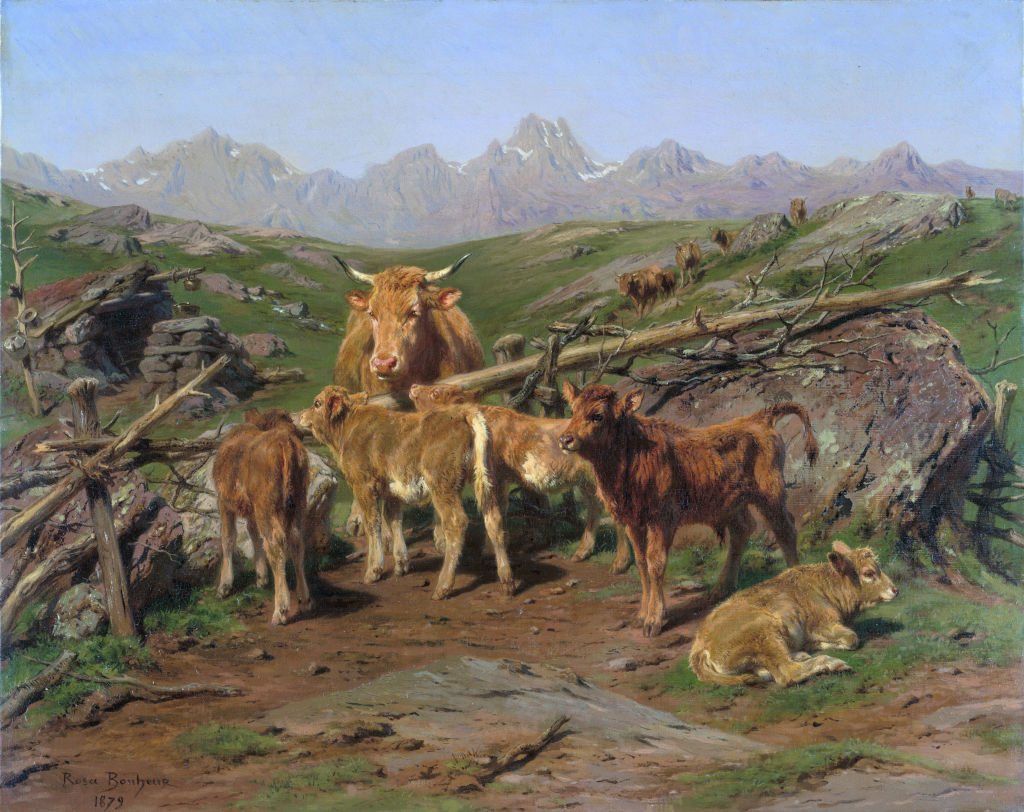
Her major works including The Horse Fair, Ploughing in the Nivernais and her Scottish Highlands scenes.
Drawings & Studies
Animal anatomy drawings, field sketches, relentless observations and preparatory studies in chalk and graphite.
Biography
Learn about Bonheur's life in our detailed biography, including her training, career, travels, studio and her final artistic legacy.
Prints Guide
Where to find high-quality prints and reproductions of her most famous works.
Quotes & Reflections
Insightful quotes by and about artist Bonheur - revealing her inspirations, philosophy and independence.
Key Features of Rosa Bonheur's Work
Whilst Bonheur was one of a number of famous French Realism artists, there were several factors unique to her artistic style.
- Dedication to Observation
Bonheur spent hour after hour, day after day, studying animals in different scenarios in order to master this genre. - Huge, Sprawling Scenes
This ambitious artist continued to put together highly complex compositions. - Love of the Rural Landscape
She would detail the toil and emotion of life in the fields for animals and humans alike. - Combining Precision with Emotion
One can see elements of Romanticism and emotion within these Realism subjects. - Ground Breaking Personality
Many of Rosa Bonheur's achievements flew in the face of traditional treatment of women in art and helped to change perspectives.
Themes across Bonheur's Work
Rural France
Her best known subjects, documenting a world of fields, oxen, ploughing teams and working animals in the Realism manner.
Scottish Highlands
The artist's trips to Scotland brought a new sphere of work, with atmospheric landscapes and dramatic cattle studies.
Wild Animals
Moves beyond rural animals to cover lions and tigers found at the Jardin des Plantes.
Women Artists & Professional Identity
Frequent challenges were overcome for this determined woman artist who helped change perceptions in the art world.
A Gateway Into Bonheur's World
This homepage serves as a hub for all of our Rosa Bonheur articles and analysis. Make use of the links in order to drill down deeper into her career, in whichever subject is of most interest to you.
The way in which Bonheur put together her more detailed scenes offer many artists a lesson in how to develop a genre over time. She went to any lengths necessary in order to evolve her technical accuracy and took on many challenges head-on. There is much to learn behind some of her great masterpieces, and a clear process in order to reach that point in her output.
Increased Focus on Bonheur's Work
Significant efforts have been made in recent years to right some of the wrongs of the past in terms of giving skilled female painters more exposure. Rosa is one such artist to have benefited from that, with her talents having deserved far more attention that she had previously received.
The male-dominated art world had previously promoted male painters and sculptors over their female counterparts, or even deliberately mis-attributed their work in order to increase its value at sale. Thankfully, this trend is now starting to be reversed, bringing a whole set of female painters to the public consciousness for the first time.