


 by Tom Gurney
Tom Gurney BSc (Hons) is an art history expert with over 20 years experience
Published on May 6, 2026 / Updated on May 6, 2026
Email: tomgurney1@gmail.com / Phone: +44 7429 011000
Monet's Water Lilies and Abstract Art
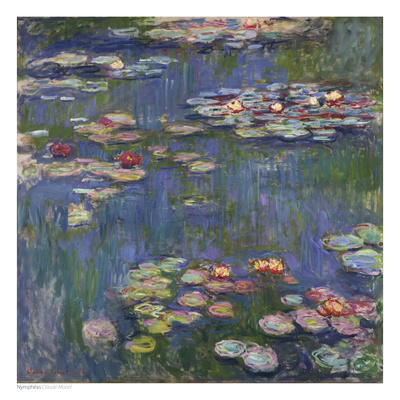
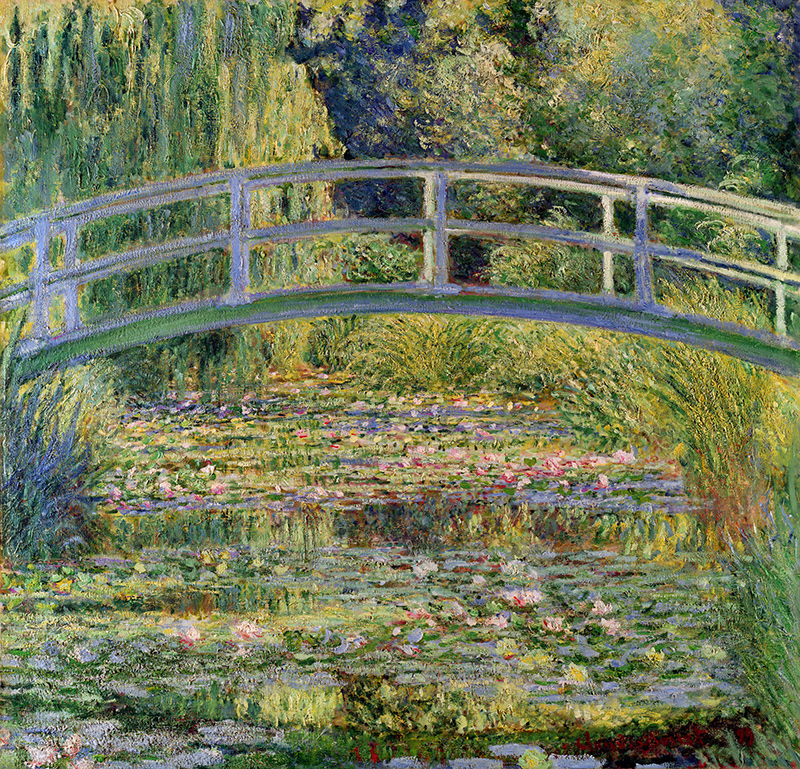
Claude Monet was not an abstract painter in the strict sense. His Water Lilies were based on a real pond in his garden at Giverny. Yet the later works helped prepare the way for modern abstraction by changing what a landscape painting could be.
From landscape to surface
Traditional landscape painting often leads the eye into depth, using horizon, foreground and background. In many of Monet's late Water Lilies, these familiar anchors disappear. There is no firm horizon, no clear bank and no single viewpoint. The pond surface fills the canvas.
The disappearance of the horizon
This removal of the horizon is one of the most radical features of the series. Without it, the viewer no longer stands outside the scene looking in. Instead, water, flowers and reflections seem to surround the field of vision.
Colour as experience
In the late Water Lilies, colour often becomes more important than description. Blues, greens, violets and pinks spread across the canvas in broad passages. The eye can still find lilies and reflections, but the painting also works as a field of colour and movement.
Scale and immersion
The monumental scale of the late Water Lilies changed the viewer's relationship to painting. The Orangerie panels in Paris and the large canvases at museums such as MoMA are not small framed views. They are environments that invite the viewer to stand before, or almost within, the painted world.
Influence on later artists
Later artists interested in abstraction, colour-field painting and large-scale immersive art found something important in Monet's late work. The Water Lilies showed that painting could be rooted in nature while moving beyond ordinary representation.
| Feature in Monet | Later modern relevance |
|---|---|
| No fixed horizon | Encouraged all-over compositions. |
| Large scale | Anticipated immersive painting environments. |
| Loose brushwork | Helped shift attention from subject to painted surface. |
| Colour fields | Suggested emotional and atmospheric uses of colour. |
| Ambiguous space | Blurred the line between landscape and abstraction. |
Still rooted in nature
The Water Lilies matter because they remain balanced between observation and abstraction. Monet did not abandon nature. Instead, he looked at it so intensely that water, flowers, sky and trees dissolved into light, colour and sensation.
Return to the full guide to Monet's Water Lilies.